Atala Butterfly
Eumaeus atala florida
Photographs by Susan Leach Snyder
__________________________________________________
Eumaeus atala florida
Photographs by Susan Leach Snyder
__________________________________________________
Atala Butterflies rely entirely on the native coontie (Zamia pumila) for their larval food.
Coonties grow in tropical pine flatwoods and hardwood hammocks. For many years, dating back to the native Americans, coonties have been harvested for starch. Exploitation of this plant in the late 1800s and overdevelopment in coontie habitat in more recent years reduced the number of coonties to the point where Atala Butterflies were nearly extinct. In fact, in 1965, only one colony was known to exist. Through diligent efforts of planting coonties and introducing Atala eggs to the plants, new colonies have developed along the east coast of southern Florida.
As of 2009, there were no established colonies of these butterflies on Florida's West Coast and there had been no sightings of the Atala Butterfly in the gardens at the Conservancy of Southwest Florida. However, Thomas Hecker, owner of EcoBotanic Designs, Inc and consultant for the Conservancy of Southwest Florida, found 9 chrysalises and one caterpillar on coonties growing near the Fort Lauderdale Airport. He collected them and on February 5, 2009 gave them to Susan Snyder to raise, photograph, and release into Garden 6.
Below are photographs of these Atalas.
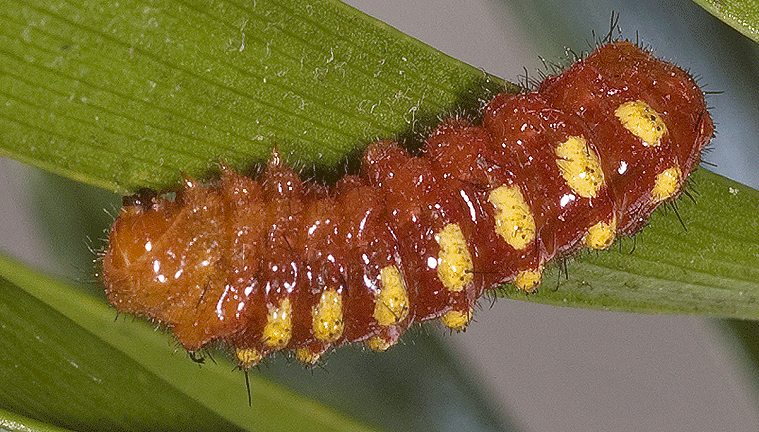
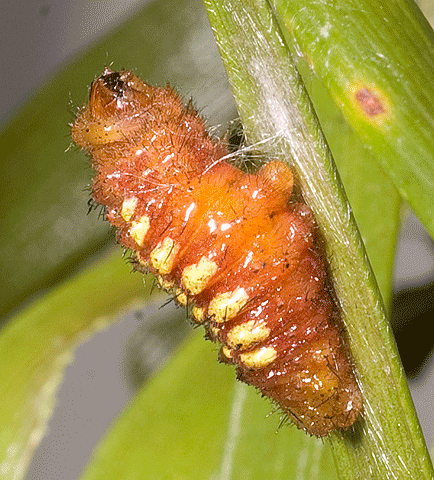
The picture at left shows the caterpillar with its head facing left. If you look closely, you can see its dark jaws, 3 walking legs, and its bristled prolegs. Also note, its head seems to be retractable under some sort of a hood.
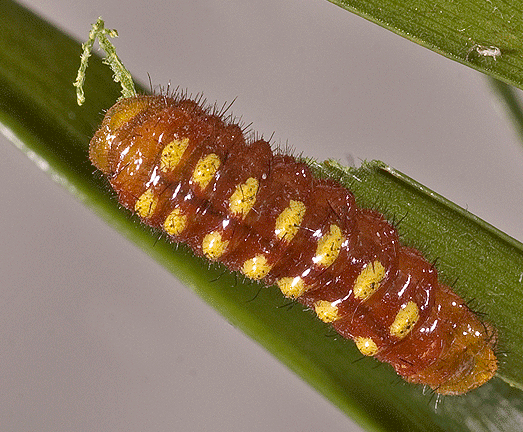
At left, you can see that the caterpillar is eating coontie leaves. Fibers are in its mouth and you can see where he/she stripped the edge of the leaf.
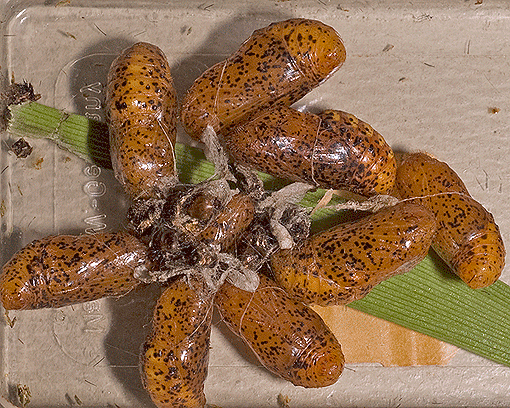
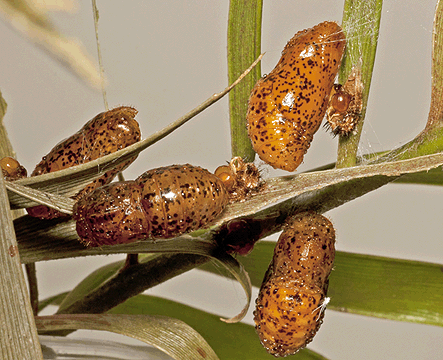
In transporting the caterpillar and chrysalises from Ft. Lauderdale to Naples, Tom removed each one from the coonties and placed them into a small plastic box. Note the many silk threads that the caterpillars had used to attach themselves to the leaves, and the many discarded heads from the molted caterpillar exoskeletons that were stuck to the chrysalises.
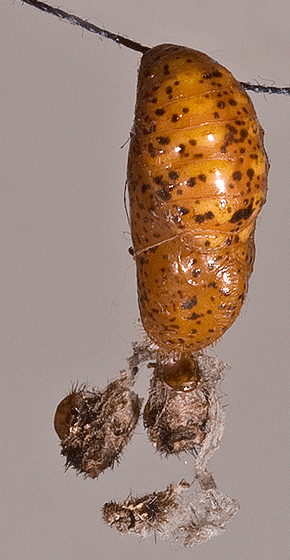
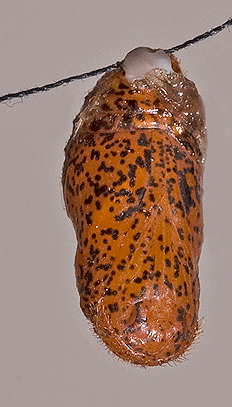
As shown below: In order to hang the chrysalises so the adults would develop and emerge in good condition, each chrysalis was glued to string by its posterior end. Note the abdomen of the developing butterfly seen through the chrysalis on the left, and the circular eyes developing near the bristled head in chrysalis photo on the right.
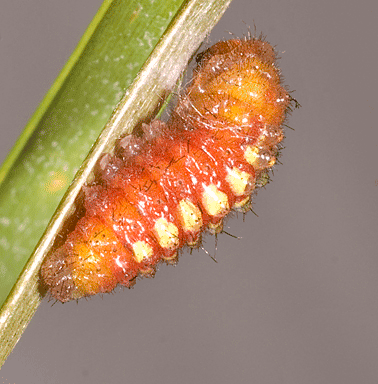
As shown below, on February 10th the caterpillar began pupating, and continued the process though the 13th. Note: the bristles fell off its body over this three day period. The chrysalises as pictured above did not appear to change in any way. They eventually turned dark and shriveled.
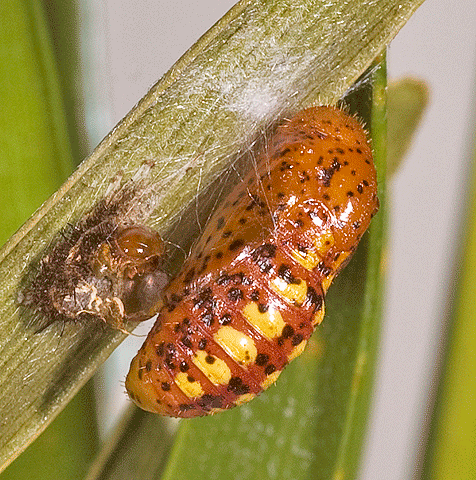
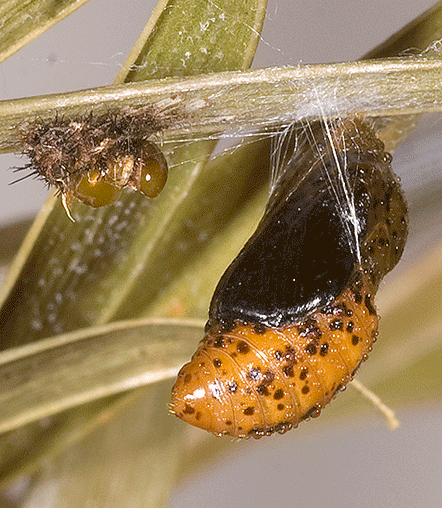
At left, the chrysalis that developed from the captured caterpillar fully formed and the exoskeleton including the head molted. Note that the chrysalis was attached by its head to the plant, not by its posterior end as with many other butterfly species.
Below: By February 28th, the chrysalis had changed color significantly. The dark wings were very apparent.
On March 2nd, the Atala emerged from the chrysalis. Shown at left, it perched on Susan Snyder's finger.
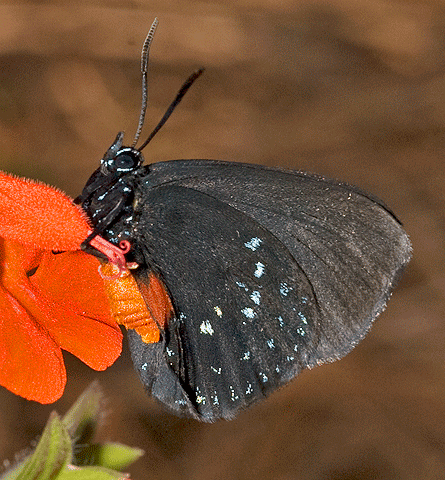
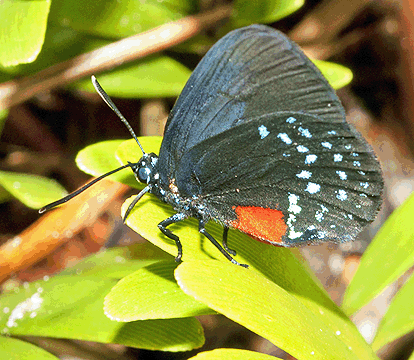
Below: The Atala was released into Garden 11 in the early morning of March 4th. It warmed itself on a tropical sage flower and then flew away to explore its surroundings. Note how closely its abdomen and wing spot match the color of the sage.
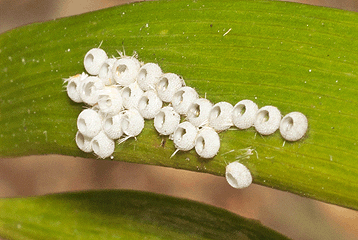
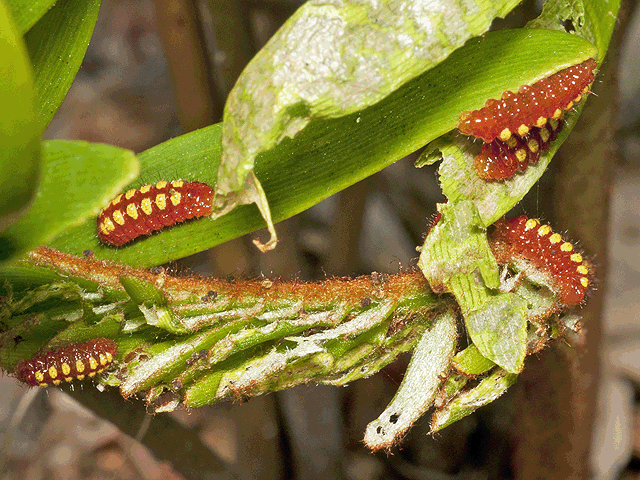
In December 2011, several Atala adults were seen flying around coonties. adjacent to the Conservancy parking lot. Some were observed laying eggs. The eggs hatched, the larvae thrived on the coontie, chrysalises formed, and adults emerged. In December 2011, Atalas were spotted throughout the campus. Then, there were many fewer sightings. This changed when in July 2012, dozens of Atalas were spotted emerging from chrysalises on coonties. It can now be said that an Atala colony is well-established at the Conservancy. Probably this colony originated from chrysalises attached to coonties that were brought to the Conservancy for plantings from a nursery on the Florida's east coast in the summer of 2011. This population of Atalas is the first known colony on Florida's West Coast. The pictures below were taken in December of 2011 and January of 2012.
__________________________________
Links:
Index to Butterfly and Moth Visitors to the Conservancy Ecotone Trail
Index To Photographs of Plants in the Gardens
Conservancy of Southwest Florida Ecotone Home Page
Conservancy of Southwest Florida Home Page.
Please report errors to Susan Snyder at susanleachsnyder@gmail.com